


Probate Delays and How to Speed Things Up in 2026

Probate delays have become an increasingly common concern for executors and beneficiaries across the UK. In recent years, estates that once progressed relatively smoothly are now experiencing longer waiting periods, greater scrutiny and more complex administrative requirements. As we move into 2026, many families are asking the same questions: how long does probate take, why is it delayed, and what can be done to speed up the process?
Probate is a legal procedure, not a simple administrative formality. Delays are often unavoidable, but many can be reduced or prevented altogether with the right preparation, accurate information and professional support. Understanding why probate delays occur is the first step towards managing expectations and avoiding unnecessary frustration.
This article explains how long probate is likely to take in 2026, the most common causes of delay, and the practical steps executors can take to help keep the process moving efficiently.
How Long Does Probate Take in 2026?
There is no fixed timeframe for probate. Even straightforward estates can take several months to complete, while more complex cases may extend well beyond a year. As of current trends, many estates take between six and twelve months from death to final distribution.
In 2026, probate times are expected to remain influenced by several ongoing factors. These include administrative capacity at HM Courts and Tribunals Service, the volume of inheritance tax reporting required, and the increasing complexity of modern estates, particularly those involving property.
It is important to understand that the probate timeline does not begin and end with the grant itself. Delays often occur before the application is submitted and after the grant is issued, during the wider estate administration process.
Why Probate Delays Are So Common
Missing or Incomplete Documentation
One of the most frequent causes of probate delays is missing or incomplete documentation. Executors are required to locate the original Will, obtain official death certificates, identify all assets and liabilities, and provide accurate supporting information. If key documents are missing or details are incorrect, probate applications may be rejected or paused.
Correcting errors can add weeks or even months to the overall timeline.
Inheritance Tax Queries from HMRC
Inheritance tax remains one of the most significant contributors to probate delays. Even where no tax is ultimately payable, HMRC may raise questions about asset valuations, lifetime gifts or the application of allowances and exemptions.
When HMRC opens an enquiry, the probate process cannot proceed until the matter is resolved. This can significantly delay the grant and subsequent estate administration.
Property-Related Delays
Estates that include property almost always take longer to administer. Delays can arise from obtaining professional valuations, resolving ownership issues, preparing properties for sale or waiting for transactions to complete.
Where the estate depends on a property sale to release funds, beneficiaries may experience extended delays before distributions can be made.
Disputes and Challenges
Disagreements between beneficiaries or challenges to the Will can bring probate to a complete standstill. Even informal disputes can delay progress if executors are required to seek legal clarification or mediation.
Formal claims must usually be resolved before probate can be concluded.
Executor Inexperience and Capacity
Many executors are family members who have never dealt with probate before. The process can feel overwhelming, particularly during bereavement, leading to delays caused by uncertainty, missed deadlines or incomplete submissions.
Even well-intentioned executors may unintentionally slow progress by misunderstanding their responsibilities.
Practical Steps to Speed Up the Probate Process
Early Preparation
One of the most effective ways to reduce probate delays is early preparation. Executors should begin gathering key documents as soon as possible, including the Will, bank statements, property deeds, pension details and information about debts.
The sooner accurate information is available, the sooner the probate application can be prepared correctly.
Accurate Asset Valuations
Professional valuations play a crucial role in avoiding HMRC queries. Under- or over-valuing assets is one of the most common triggers for delays.
Independent valuations for property, investments and valuable personal items help demonstrate due diligence and reduce the likelihood of challenges.
Clear and Correct Tax Reporting
Even estates below the inheritance tax threshold must submit accurate declarations. Executors should ensure all lifetime gifts, exemptions and allowances are properly recorded.
Mistakes in inheritance tax reporting can lead to penalties, interest charges and prolonged delays.
Professional Probate Administration
One of the most reliable ways to speed up probate is to use a professional probate administration service. Solicitors and probate specialists understand the common causes of delay and know how to avoid them.
Professional support helps ensure applications are completed correctly, correspondence with HMRC is managed efficiently, and deadlines are met.
The Value of Using a Probate Administration Service
A probate administration service provides structured, end-to-end management of the probate process. This includes preparing applications, handling inheritance tax matters, communicating with financial institutions and overseeing estate distribution.
For executors, professional support offers reassurance, reduces stress and minimises the risk of personal liability. In many cases, it also results in a faster overall process.
Managing Expectations During Probate
Even with the best preparation, probate cannot always be rushed. External factors such as HMRC processing times, property markets and third-party responses are outside an executor’s control.
However, understanding realistic timelines and using professional support can help ensure delays are kept to a minimum and managed effectively.
Conclusion
Probate delays are increasingly common, and in 2026 they remain a reality for many estates. However, delays are not inevitable.
By understanding how long probate is likely to take, recognising the most common causes of delay and taking proactive steps, executors can significantly improve the process.
Professional probate administration remains one of the most effective ways to speed up probate, reduce errors and ensure estates are administered correctly and efficiently.
If you are facing probate delays or want to avoid them from the outset, professional probate support can make a meaningful difference.
Frequently Asked Questions: Probate Delays and Timescales
- How long does probate take in 2026?
Most estates take between six and twelve months, although complex cases can take longer. - What causes the biggest probate delays?
Missing documents, inheritance tax queries, property-related issues and executor inexperience. - Can probate be sped up?
Early preparation, accurate valuations and professional support can reduce avoidable delays. - Does inheritance tax delay probate?
Yes. HMRC queries are a major cause of probate delays. - Do property sales slow down probate?
Yes. Property valuations, sales and conveyancing can extend timelines. - Can executors be held responsible for delays?
Executors may face complaints if delays are caused by errors or inaction. - Is professional probate help worth it?
In many cases, professional support leads to a smoother and faster process. - Can probate start before all assets are known?
Preparation can begin, but complete information is required before submission. - What happens if HMRC raises questions?
Probate is paused until HMRC’s enquiries are resolved. - Who should consider a probate administration service?
Executors dealing with property, tax, complex estates or limited experience.
Share This Post


Recent posts
- What Are the Duties of an Executor? By , 15/06/2026
- Executor vs Administrator UK: What’s the Difference? By , 15/06/2026
- Executor Liability: Can You Be Held Personally Liable? By , 15/06/2026
2015 Archive
2016 Archive
2018 Archive
2019 Archive
2020 Archive
2023 Archive
- July 10 posts
0 Archive
- December 1 posts
Blog Categories
Find your way through the probate maze
Click here to follow our step-by–step probate process guide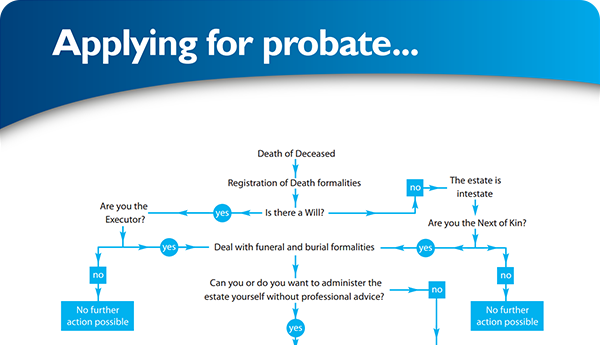
Testimonials
Excellent service, everything went very smoothly. Like to thank Ann and her team.... read more
Good & Reliable service, always kept up to date with what was happening. Value for money.... read more
Latest Tweet
Follow @ProbateBureau


Contact Us
0800 028 2837 info@probatebureau.comTHE PROBATE BUREAU
3 Crane Mead Business Park
Crane Mead
Ware
Hertfordshire
SG12 9PZ
×